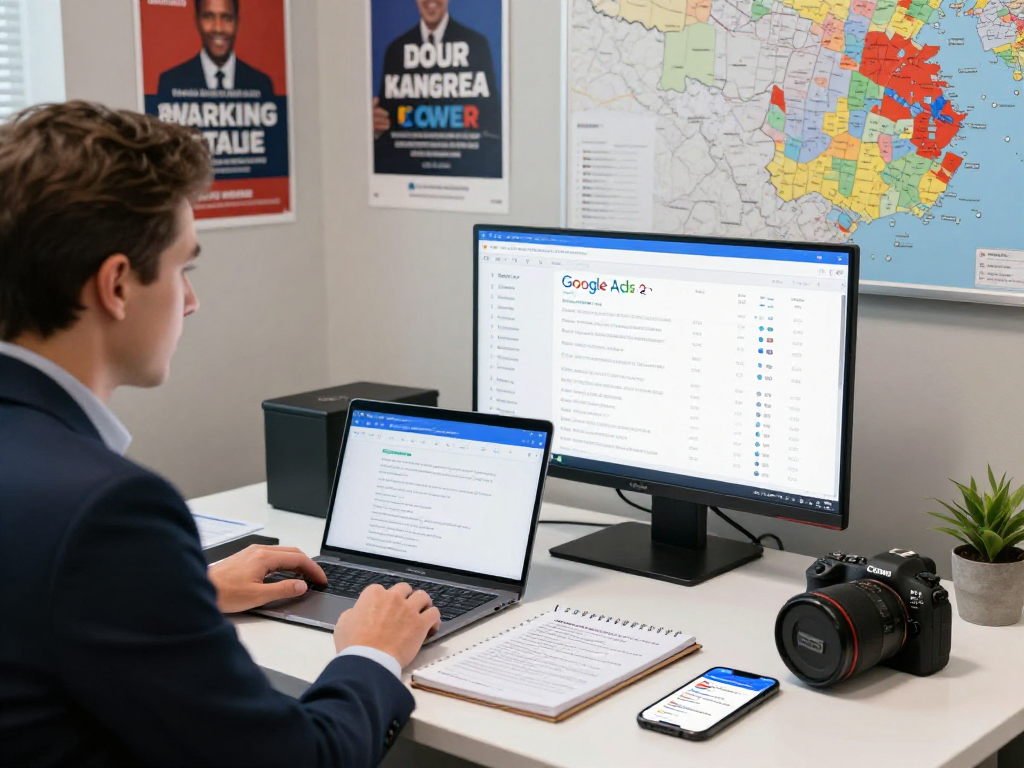
Understanding Google Ads: A Campaign Essential
In the fast-paced world of political campaigns, effective marketing strategies are crucial for success. Among these strategies, leveraging Google Ads has emerged as a vital tool for reaching potential voters. With the ability to target specific demographics and track campaign effectiveness, Google Ads offers political candidates a powerful platform to communicate their messages and rally support. Understanding how to run Google Ads for a campaign can set the foundation for a successful electoral bid, ensuring that every dollar spent is maximized for impact.
What Are Google Ads and Why They Matter?
Google Ads is an online advertising platform developed by Google, where advertisers pay to display brief advertisements, service offerings, product listings, and video content to users. This program enables campaigns to appear alongside the search results when users look for specific keywords relevant to their messages. For political campaigns, this means that candidates can target their advertising specifically to constituents in their district or state, allowing for more strategic engagement and messaging.
Key Components of a Successful Google Ads Strategy
- Targeting: The ability to narrow down your audience based on various factors such as location, interests, and demographics is crucial. Ensuring that your ads reach the right people can significantly enhance your campaign's efficacy.
- Ad Copy: The text of your ads should be compelling and clear. A strong call-to-action (CTA) encourages users to engage further with your campaign, be it signing up for more information or donating funds.
- Budget Management: Knowing how to allocate your budget effectively across different ad types and campaigns can make a significant difference in your overall success.
Getting Started: Setting Up Your Google Ads Campaign
For political candidates, starting a Google Ads campaign can seem daunting, but with a clear strategy and understanding, it can be a straightforward process. How to run google ads for a campaign involves several essential steps to ensure you are effectively reaching your target audience from the very beginning.
How to Choose the Right Campaign Type for Your Goals
Google Ads offers various campaign types, including Search Ads, Display Ads, Video Ads, and Shopping Ads. For political campaigns, Search Ads are often the most beneficial as they target users actively searching for political content. Understanding your campaign goals will help determine which type is best suited for your objectives.
Essential Steps to Create Your First Google Ads
- Create an Account: Start by creating a Google Ads account and setting up billing information to manage your budget.
- Define Your Goals: Establish clear objectives for what you hope to achieve through your advertising, whether it's voter registration, donation collection, or awareness building.
- Select Keywords: Choose relevant keywords that potential voters might use to search for information related to your campaign.
- Craft Your Ads: Write compelling ad copy and select images or videos that align with your campaign's message and values.
- Set Your Budget: Decide how much you are willing to spend daily and adjust as needed based on performance metrics.
Tips for Defining Your Target Audience Effectively
Defining your target audience is one of the most critical aspects of running a successful Google Ads campaign. Utilize demographic information, such as age, gender, and location, alongside psychographic data like interests and values. Tools like Google Analytics can provide insights into your audience's behavior, enabling more tailored ad placements.
Ad Creation Best Practices for Maximum Impact
Creating effective ads is an art that combines creativity and strategic thinking. Here are some best practices for ad creation that can significantly increase your campaign's impact.
Writing Compelling Ad Copy That Converts
Your ad copy should be concise, engaging, and direct. Start with a strong headline that captures attention, followed by a clear message about your campaign and what you want the audience to do. Always include a compelling CTA that encourages immediate action.
Using Imagery and Branding to Enhance Your Ads
Visual content can enhance your ads significantly. Use high-quality images or videos that represent your campaign's values and resonate with your target audience. Consistent branding across your ads helps in building recognition and trust among voters.
Strategies for Effective A/B Testing
A/B testing involves creating two versions of an ad to determine which one performs better. Test different headlines, images, or CTA buttons to see which combinations yield the best results. Regular testing and adjustments based on the data collected can improve your campaign's effectiveness over time.
Budgeting Your Political Campaign with Google Ads
Budgeting is a crucial part of your Google Ads strategy. An effective budget allows for sustained outreach and engagement throughout your campaign.
Understanding Cost-Per-Click and Budget Allocation
Cost-Per-Click (CPC) is the amount you pay each time someone clicks on your ad. Understanding CPC can help you allocate funds more efficiently. Research industry benchmarks to guide your budget allocation and ensure you're competitive in your advertising spend.
How to Monitor Spending and Adjust Budgets
Regularly monitoring your ad spend is imperative. Utilize Google Ads' reporting tools to track performance metrics and adjust your budgets as needed. If particular ads are performing well, consider reallocating funds to maximize their effectiveness.
Leveraging Discounts and Promotions for Enhanced Reach
Take advantage of any Google Ads promotions or discounts that can enhance your reach without straining your budget. Promotional credits may be available for new accounts or through specific Google partnerships.
Analyzing and Optimizing Campaign Performance
Once your Google Ads campaign is live, continuous analysis and optimization are key to maintaining its success and effectiveness.
Key Metrics to Track for Political Campaign Success
Identify and track key performance indicators (KPIs) relevant to your campaign goals. Common metrics include Click-Through Rate (CTR), conversion rates, and overall return on investment (ROI). These metrics will provide insights into how effectively your ads are engaging voters.
Using Analytics to Improve Future Campaign Strategies
Leverage Google Analytics alongside your Google Ads data to gain a deeper understanding of user behavior. Analyzing this data can highlight successful areas of your campaign and identify opportunities for improvement.
Adapting Your Tactics Based on Voter Engagement Trends
Staying attuned to changes in voter engagement trends is crucial in a constantly shifting political landscape. Use your analytics to observe shifts in voter response and adjust your tactics accordingly to ensure your campaign remains relevant and effective.
What is the role of Google Ads in modern political campaigns?
Google Ads plays a critical role in modern political campaigns by enabling candidates to reach targeted audiences effectively. It allows for real-time adjustments based on engagement data, making it a flexible and powerful tool in political marketing.
How can I maximize my Google Ads budget for elections?
To maximize your budget, focus on optimizing your ads, using precise targeting, and continuously analyzing performance metrics. A/B testing different strategies can also help identify the most cost-effective paths to voter engagement.
What are the best practices for targeting voters with Google Ads?
Best practices for targeting include using geo-targeting to reach specific locations, leveraging demographic insights for audience identification, and utilizing remarketing strategies to re-engage users who have previously shown interest in your campaign.
How do I measure the success of my Google Ads campaigns?
Measuring success involves tracking KPIs such as conversions, CTR, and overall ROI. Regularly reviewing these metrics against your campaign goals will help gauge effectiveness.
What trends should I be aware of for Google Ads in 2026?
As the landscape of digital advertising continues to evolve, trends such as increased reliance on mobile ads, the importance of video content, and advancements in AI-driven targeting will shape how campaigns approach Google Ads in the coming years. Staying informed and adaptable will be crucial for ongoing success.