
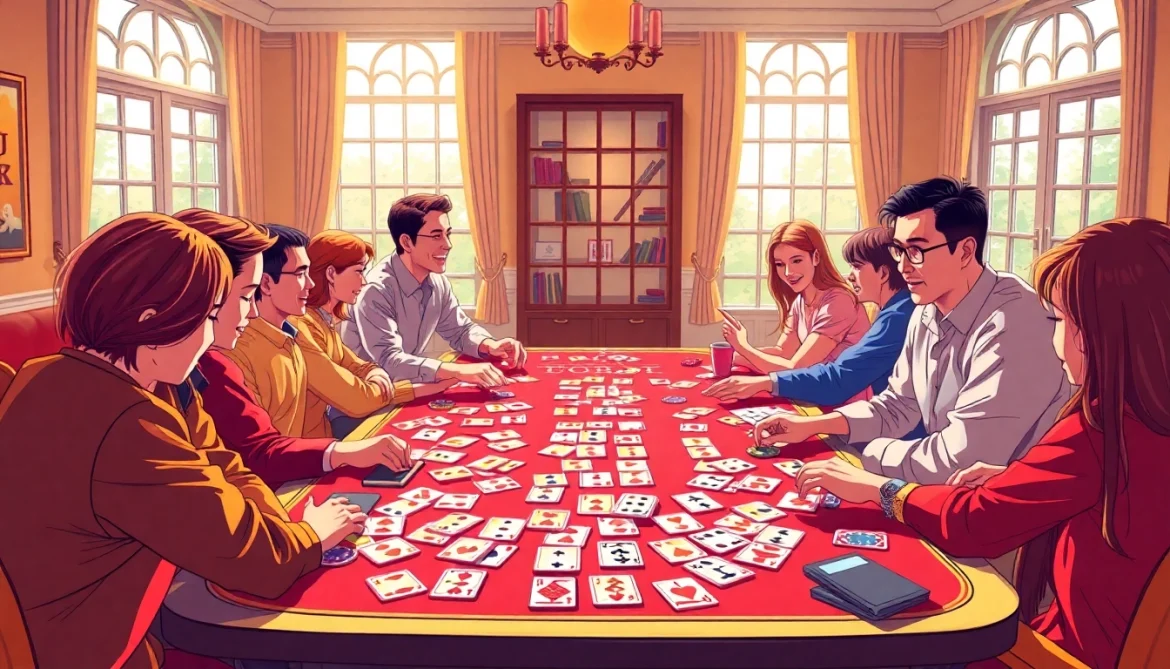
Introduction to Yono Game Mechanics
Understanding the Basics of Yono Rummy
Yono Rummy is an evolving card game that combines strategy and luck, making it an appealing choice for social gatherings. The game is typically played with a standard deck of cards and revolves around the objective of melding all cards in hand into sets or runs. Each player draws one card from the deck and discards one card, creating a continuous cycle of play. The essence of the game lies in players formulating strategies and adapting to their opponents’ moves while maintaining an element of chance with each card drawn. For those interested, many find joy in practicing their skills on platforms dedicated to yono rummy.
The Structure of Game Rounds and Turns
The game proceeds in rounds, each consisting of a sequence of turns where players alternate drawing and discarding cards. At the beginning of each round, players are dealt a specific number of cards, typically 10 or 13, based on the game variant being played. Players take turns to either pick a card from the draw pile or take the top card from the discard pile. The strategy involves not only choosing when to draw cards but also when to discard, maintaining an awareness of the cards that others may need. The round continues until one player successfully melds all their cards into valid combinations, effectively ending the round.
Common Terms and Phrases in Yono Rummy
Familiarizing oneself with the terminology used in Yono Rummy can enhance gameplay understanding significantly. Here are some common terms:
- Meld: A valid combination of cards, either a run (consecutive cards of the same suit) or a set (three or four cards of the same rank).
- Turn: The action taken by a player during their turn, which involves drawing and discarding cards.
- Knocking: A term used when a player ends the round by showing that they have melded all their cards (or can lay off cards).
- Lay off: Adding cards to another player’s melds to reduce the total number of unmelded cards in hand.
- Discard: The action of placing one card from the hand into the discard pile.
Essential Skills for Winning at Yono Rummy
Developing Effective Strategies to Win
Winning at Yono Rummy involves a blend of calculated strategies and intuition. Players should focus on assessing both their hand and their opponents’ actions simultaneously. A critical strategy is to track the cards that have been played and deduce which combinations are still possible. Additionally, players should prioritize which cards to keep based on their potential to form melds. Adopting a flexible strategy that allows for adaptation to evolving game scenarios often yields significant advantages.
The Importance of Observation and Timing
Being observant is a key skill in Yono Rummy. Recognizing patterns in opponents’ discards can provide insights into their strategies and potential melds. Timing also plays a crucial role; players must decide the opportune moment to end a round, either by knocking or keeping the game continuing in hopes of drawing a more favorable card. Balancing risk and reward is essential. Effective players know when to push the limits and when to play conservatively based on game dynamics.
Building a Strong Foundation with Practice Games
Consistent practice is the cornerstone of mastery in Yono Rummy. Engaging in practice games, both in person and online, helps players understand the nuances and intricacies of the game. Playing with varying skill levels exposes players to different styles and strategies, fostering adaptability. It’s also advisable to review games played, analyzing mistakes and successful decisions to refine future play. This reflective practice builds not only competence but confidence in gameplay.
Social Dynamics in Yono Gameplay
Enhancing Interaction Among Players
Yono Rummy is as much about social interaction as it is about strategy. Encouraging interactions and banter during gameplay can make the experience richer and more enjoyable for all participants. Setting a friendly tone at the outset, possibly by introducing light-hearted rules or icebreakers, creates a welcoming atmosphere. Group strategies or team play variants can also enhance social dynamics, emphasizing collaboration over competition.
Managing Competitive Spirit During Games
The competitive spirit inherent in Yono Rummy can lead to both engagement and tension. It’s crucial to manage this spirit effectively to retain a fun environment. Establishing guidelines on sportsmanship and encouraging good-natured rivalry help keep the atmosphere light. Reminding players that the goal is to enjoy each other’s company rather than just winning fosters a more balanced competitive landscape. It’s important to celebrate everyone’s victories—big or small—to maintain enthusiasm.
Tips for Hosting Memorable Yono Game Nights
Hosting a game night themed around Yono Rummy can be a delightful experience. Here are some tips for making it memorable:
- Create a Welcoming Space: Ensure the venue is comfortable and conducive to play with adequate seating and lighting.
- Set Clear Rules: Before the game begins, explain the rules clearly to all players, especially if there are newcomers.
- Incorporate Snacks and Drinks: Provide light refreshments to keep players energized and add to the social aspect of the evening.
- Offer Incentives: Consider having small prizes for the winner or for various accomplishments during the game.
- Document the Fun: Capture moments through photos or a game recap to share with participants later.
Advanced Tactics for Competitive Play
Analyzing Opponent Strategies in Yono Rummy
As players become more experienced, analyzing the strategies of opponents becomes essential. Observing discard patterns and the frequency of picked cards can reveal a player’s potential hands. Players should take note of what their opponents seem to prioritize and adjust their strategies accordingly. Adopting a more defensive approach, such as holding on to cards that may help block an opponent’s meld, can also be a game-changer.
Incorporating Bluffing Techniques Effectively
Bluffing is a nuanced and advanced tactic in Yono Rummy. It involves misleading opponents about your hand’s strength or the cards necessary for your succession. Players might discard cards that they want opponents to believe they don’t need while secretly keeping valuable cards. Effective bluffing can create confusion among players and make it more difficult for them to successfully read your strategy. However, players should employ bluffing sparingly; overuse can lead to predictability and counter-strategies from adept opponents.
Adapting to Varied Player Styles and Strategies
Every player brings a unique style to the table, and understanding these diversities is key to successful gameplay. Some players may adopt aggressive strategies, frequently knocking or going for quick wins, while others may play more conservatively, focusing on building sets over time. Adapting one’s play style to exploit these differences can create significant advantages. Flexibility allows players to counter strategies effectively while remaining unpredictable themselves, keeping opponents off balance.
Frequently Asked Questions about Yono Rummy
What are the rules of yono rummy?
Yono rummy is played with a standard deck of cards, involving a mix of strategy and luck. Players draw and discard to form sets and runs, aiming to meld all their cards.
How many players can participate in yono rummy?
Yono rummy typically accommodates 2 to 6 players, making it suitable for both small gatherings and larger groups.
Is yono rummy a game of skill or luck?
Yono rummy blends both skill and luck; while strategic play is essential, the draw of the cards introduces an element of chance.
Can I play yono rummy online?
Yes, there are online platforms that offer yono rummy, allowing players to enjoy the game with friends or via matchmaking.
What are some tips to improve at yono rummy?
Consistent practice, observing opponents, and adapting strategies are key to enhancing skills in yono rummy.