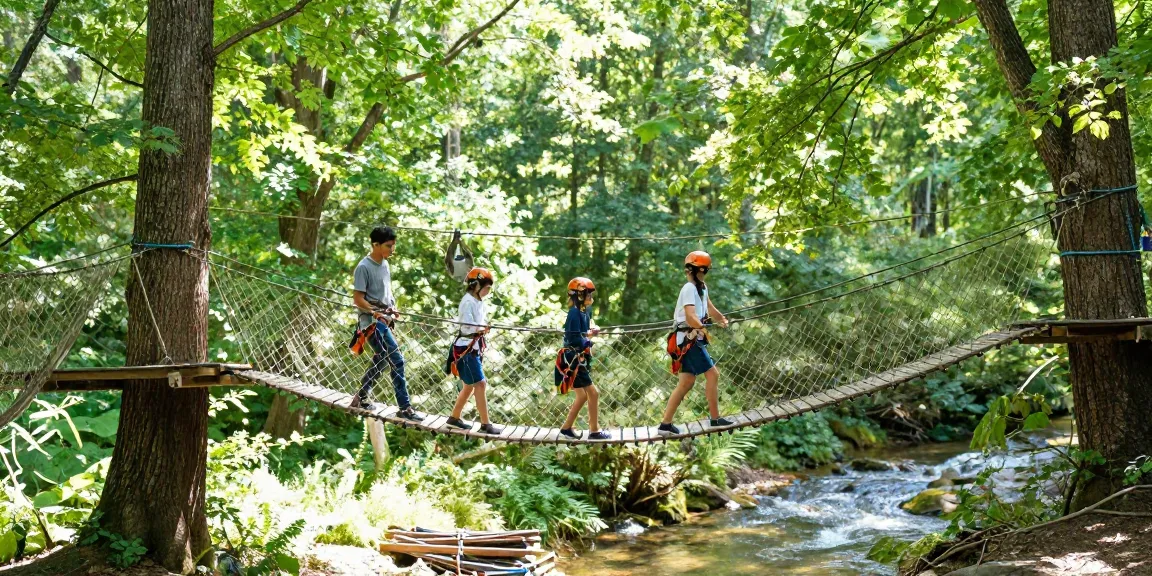
Understanding the Basics of Rope Bridge Design
The alluring charm of rope bridges, often crisscrossing serene landscapes or spanning dense forests, can transform natural settings into enchanting adventures. Whether you aim to connect treehouses or create a safe passage over a gentle stream, the fundamentals of Rope Bridge design are essential to ensure both functionality and aesthetic appeal. This guide will walk you through the various components and considerations necessary for creating a rope bridge that not only meets safety standards but also enhances the beauty of its environment.
What is a Rope Bridge?
A rope bridge is a type of bridge that uses ropes for its structural support. Traditionally associated with adventurous outdoor settings, these bridges can be a blend of engineering and creativity, designed for functionality while often offering a thrilling experience as you cross them. Their construction typically involves a framework of ropes that support the deck, allowing for flexibility and resilience in various environmental conditions.
Types of Rope Bridges
- Suspended Rope Bridges: These are the most common types, where the bridge deck hangs from cables or ropes anchored at both ends. They are ideal for spanning longer distances.
- Fixed-Beam Rope Bridges: This style features a rigid structure where beams support the deck, suitable for shorter spans and heavier loads.
- Log Rope Bridges: These are built using logs as the primary support, often wrapped in ropes for added stability and can be seen in more rustic settings.
Key Components of Rope Bridge Design
To create a safe and effective rope bridge, various components must be considered, including the type of ropes used, the anchoring systems, and the deck materials. The ropes must be strong enough to support the intended load, while the anchoring systems must securely fasten the bridge to ensure stability. Additionally, the choice of decking materials impacts the bridge's usability and safety.
Assessing Safety and Stability in Rope Bridge Design
Safety is paramount when designing any bridge, but especially for rope bridges, which can be susceptible to environmental factors. Understanding how to evaluate and maintain safety standards will help ensure that your structure remains secure throughout its use.
Safety Standards for Rope Bridges
Most regions have specific regulations regarding the construction and maintenance of bridges, including rope bridges. Adhering to these standards is critical. This often includes load capacities, maintenance protocols, and weather resilience analyses. Familiarity with local building codes is necessary before commencing any design or construction work.
Common Risks and How to Mitigate Them
- Weak Materials: Using substandard ropes or supports can lead to failures; always opt for high-quality materials.
- Environmental Hazards: Weather impacts, such as strong winds or heavy rains, can cause instability. Design your bridge to withstand local weather conditions.
- Overloading: Exceeding the weight limit can compromise safety. Clearly mark load limits and educate users on proper usage.
Monitoring Structural Integrity
Regular inspections of the bridge are essential to ensure it remains safe to use. Look for signs of wear on ropes, check anchoring systems for rust or deterioration, and assess the overall stability of the structure. Implementing a schedule for these inspections will allow for timely maintenance and repairs.
Materials and Techniques for Building a Rope Bridge
The choice of materials and construction techniques significantly influences the outcome of your rope bridge project. Selecting the right components and following effective methodologies will lead to a strong and aesthetically pleasing structure.
Choosing the Right Materials
For the ropes, consider synthetic options like nylon or polyester, which offer excellent durability and resistance to environmental degradation. The decking can be made from treated wood or composite materials, providing a sturdy walking surface while blending with the natural surroundings.
Techniques for Assembly and Construction
Building a rope bridge typically starts with the establishment of posts or towers that support the main structure. Once the main ropes are installed, decking can be laid down, and safety features like railings can be added. Employing proper techniques not only facilitates a smoother construction process but also enhances the longevity of the bridge.
Innovative Approaches for 2026
As we look toward the future, integrating technology into the design and construction of rope bridges will become increasingly important. Innovations such as smart materials that can detect stress and strain, as well as advanced load monitoring systems, could revolutionise how we build and maintain these structures.
Designing for Aesthetic and Functional Appeal
Beyond just being functional, a rope bridge can serve as a beautiful architectural element in its environment. Designing with aesthetics in mind can significantly enhance the overall experience for users.
Incorporating Natural Features
Consider the landscape where the bridge will be located. Use natural materials that complement the surrounding scenery, and design the bridge to highlight beautiful vistas or unique terrain features. This not only creates a more visually appealing structure but also enhances the experience of those who traverse it.
Balancing Design and Utility
While aesthetics are essential, the primary function of the bridge must not be compromised. Ensure that the design accommodates the intended use, whether for pedestrian paths, connecting treehouses, or serving as a crossing over water bodies or uneven terrain.
Case Studies of Successful Rope Bridge Designs
Examining existing successful rope bridges can provide inspiration and practical insights. Bridges like the Capilano Suspension Bridge in Canada highlight how careful design can combine safety, functionality, and stunning aesthetics, drawing visitors from around the world.
The Future of Rope Bridge Design: Trends and Innovations
As we move towards 2026, several trends are redefining the landscape of rope bridge construction, from sustainability to advanced engineering techniques.
Emerging Technologies in Bridge Design
Advancements in engineering and materials science are allowing for more resilient and innovative designs. The use of computer-aided design (CAD) software can help in visualising structures before they're built, while modelling tools can simulate stress and durability under various conditions.
Eco-Friendly Practices in Rope Bridge Construction
With a growing emphasis on sustainability, eco-friendly practices are becoming an integral part of bridge design. Using sustainably sourced materials, minimising ecological footprints during construction, and designing bridges that blend harmoniously into their environments are key considerations for contemporary projects.
Preparing for Future Demands by 2026
As urban areas expand and the need for pedestrian connectivity increases, the demand for aesthetically pleasing, safe, and functional rope bridges will rise. Preparing for this demand will involve not only innovative designs but also community engagement to ensure these structures meet the needs of users.
FAQs about Rope Bridge Design
How do I build a rope bridge?
The process involves planning your design, selecting the appropriate materials, constructing a sturdy framework, and ensuring all safety measures are implemented.
What are the different types of rope bridges?
Rope bridges can be classified into several categories, including suspended bridges, fixed-beam bridges, and log bridges, each serving different purposes and environments.
How much does a rope bridge cost?
The cost of building a rope bridge varies significantly based on materials, size, and design complexity, typically ranging from a few hundred to several thousand pounds.
What is the simplest bridge design?
The simplest bridge designs include basic suspended rope bridges that use minimal materials and straightforward construction techniques.
How to build a rope bridge between trees?
Begin by securely anchoring your ropes around the trees, ensuring they can handle the anticipated load. Construct the deck once the main support system is in place, and add safety features as needed.