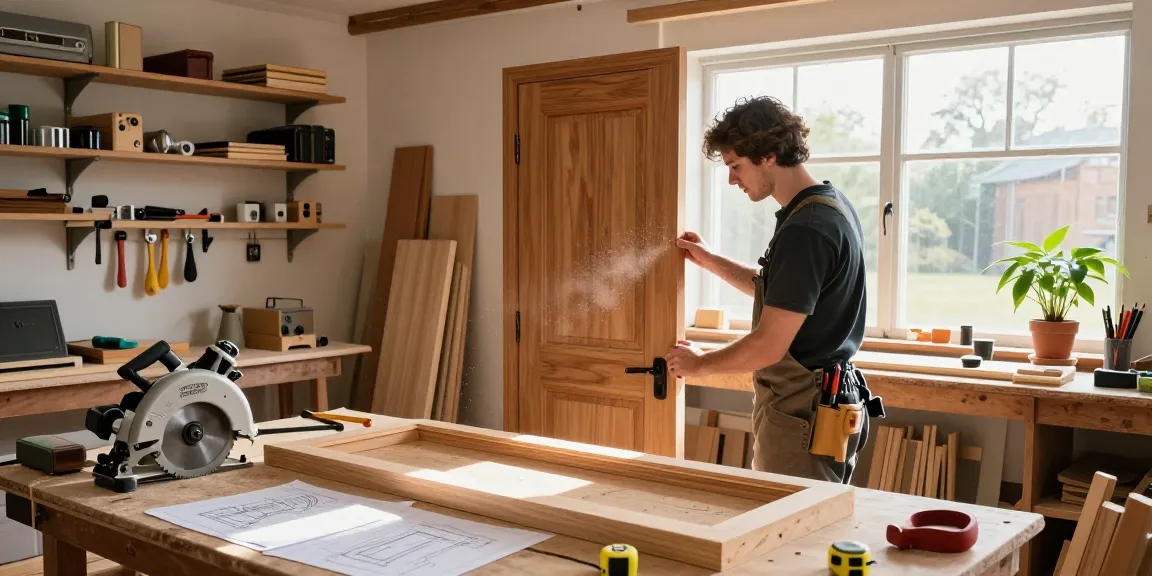
Understanding the Importance of Quality Doors
When it comes to enhancing the overall aesthetic and functionality of a home, doors play a pivotal role. High-quality doors not only serve as the entry point into your sanctuary but also contribute significantly to security, energy efficiency, and insulation. Investing in quality doors is a decision that can pay dividends in luxury, longevity, and property value. For insights into premium door options, abacasdoors.co.uk provides a range of choices.
Why Homeowners Should Invest in Quality Doors
Investing in quality doors is essential for several reasons. Firstly, they enhance the security of your home. With robust materials and superior locks, quality doors deter break-ins and ensure peace of mind for homeowners. Secondly, quality doors offer better insulation, helping to maintain indoor temperatures and reduce energy bills. Finally, premium doors offer superior aesthetics, elevating the overall look of your property and making a lasting first impression on guests.
Common Misconceptions About Door Durability
Many homeowners hold misconceptions about door durability. One common belief is that all doors can withstand the same environmental stresses. In reality, the durability of a door largely depends on its material, design, and construction quality. For example, solid wood doors are often perceived as the most durable; however, they can warp in humid environments. Conversely, fiberglass doors provide excellent resistance against extreme weather conditions while retaining their appearance over time.
How Quality Doors Enhance Home Value
Quality doors can significantly enhance the value of a home. Potential buyers often look for properties that not only look great but are also structurally sound. High-end doors are viewed as a sign of a well-maintained property, which can make a home more attractive in a competitive market. Moreover, quality doors can improve energy efficiency scores, an increasingly important factor for today’s environmentally-conscious buyers.
Choosing the Right Type of Door
Choosing the right type of door involves understanding the various options available, as well as your specific needs. From material choices to functionality and aesthetic appeal, the right door can complement your home’s design while ensuring security and energy efficiency.
A Comprehensive Guide to Door Materials
When selecting doors, the material matters significantly. Here are some common options:
- Wood: Offers natural beauty and excellent insulation but can be susceptible to moisture damage.
- Fiberglass: Provides durability and energy efficiency, ideal for exterior applications.
- Steel: Known for its strength and security, often used for exterior doors in high-security areas.
- Aluminum: Lightweight and resistant to corrosion, frequently used in modern designs.
Interior vs. Exterior Doors: Key Differences
The primary difference between interior and exterior doors lies in their construction and purpose. Interior doors are generally lighter and designed for aesthetic appeal, while exterior doors need to be robust, weather-resistant, and provide enhanced security. For instance, an exterior door may include features like multi-point locking systems and reinforced frames, which are unnecessary for interior applications.
Custom vs. Pre-made Doors: What’s Best for You?
Deciding between custom and pre-made doors can significantly impact your home’s aesthetic. Custom doors offer the advantage of tailoring size, design, and material preferences to fit specific architectural requirements. On the other hand, pre-made doors are more cost-effective and available in a variety of styles. If you have unique dimensions or a precise design vision, custom doors may be worth the investment.
Installation Process for New Doors
The installation process for new doors can vary depending on whether you choose to hire professionals or attempt a DIY approach. Each method has its pros and cons, impacting both cost and quality of the installation.
Hiring Professionals vs. DIY Installation
Hiring professionals for door installation ensures a high-quality finish and may include warranties for their work. However, this option is typically more expensive. Conversely, DIY installation can save money, but it may not provide the same level of expertise. Homeowners should weigh the complexity of the project against their own skill levels when deciding which route to take.
Step-by-Step Guide for Door Installation
- Measure the door frame accurately to ensure a proper fit.
- If necessary, remove the old door, hinges, and hardware.
- Install the new door hinges, ensuring they align correctly.
- Fit the door into the frame and check for level and alignment.
- Secure the door in place and install any necessary locks and handles.
Tools Needed for a Successful Installation
Successful door installation requires the right tools. Essential tools include a measuring tape, level, screwdriver, hammer, chisel, and possibly a power drill. Having the necessary tools on hand can streamline the process and improve overall results.
Caring for Your Doors Over Time
Maintaining your doors is crucial for their longevity and functionality. Regular care can help prevent common issues and extend the life of your investment.
Maintenance Tips to Extend Door Lifespan
To keep your doors in excellent condition:
- Regularly inspect for signs of wear or damage, such as warping or cracks.
- Keep hinges lubricated to ensure smooth operation.
- For wooden doors, apply sealant or paint to protect against moisture.
Common Problems and How to Fix Them
Common issues include squeaky hinges, sticking doors, and cracked frames. Squeaky hinges can often be resolved by applying a silicone-based lubricant, while sticking doors may require adjustments to the hinges or frame to ensure they align properly.
Seasonal Considerations for Door Care
Consider seasonal changes when caring for your doors. For example, in winter, check for drafts and ensure seals are intact, while summer may require treating doors to prevent UV damage. Being proactive can prevent more significant repair costs down the line.
Future Trends in Door Design and Technology
The door industry is continuously evolving with advancements in design, materials, and technology. Staying informed about upcoming trends can help you make well-rounded choices for your home.
Exploring Smart Doors: Are They Worth It?
Smart doors, equipped with technology for enhanced security, are becoming more popular. Features may include remote locking systems, video monitoring, and integration with home automation systems. While they come at a premium, their convenience and added security appeals to many homeowners.
Sustainable Materials in Door Manufacturing
With increasing awareness of environmental issues, sustainable materials are becoming a priority in door manufacturing. Recycled materials, bamboo, and responsibly sourced woods are making their way to the forefront of the industry. Choosing sustainable options can contribute to a greener home.
Design Innovations for 2026 and Beyond
The future of door design will likely see a blend of aesthetics and functionality. Expect to see innovative designs that incorporate energy-efficient features, customizable elements, and smart technology aimed at enhancing user experience and sustainability.
What types of doors are best for energy efficiency?
Doors that feature energy-efficient materials such as fiberglass or insulated steel are best for maintaining indoor temperatures. Proper sealing and weather stripping also play critical roles in reducing heat loss and improving energy efficiency.
How can I improve my home’s curb appeal with doors?
To enhance curb appeal, consider selecting doors that complement the architectural style of your home. Bold colors, decorative glass, and unique hardware can all contribute to a striking entrance that invites potential buyers or guests.
What are the benefits of custom doors over stock options?
Custom doors offer the flexibility to choose materials, sizes, and designs that fit your specific needs, ensuring a perfect match for your home’s aesthetics. They often boast superior craftsmanship and can be tailored for enhanced energy efficiency or security features.
How often should I replace my doors?
Typically, doors should be assessed every 10 to 15 years, with replacement occurring sooner if significant wear, warping, or damage is evident. Regular maintenance can extend their lifespan, but proactive replacement can prevent security issues.
What maintenance do different door materials require?
Each material has specific maintenance needs. For instance, wooden doors require regular sealing and painting to prevent moisture damage, while fiberglass doors may only need occasional cleaning. Steel doors often require touch-ups on paint to prevent rust, highlighting the importance of understanding the material used.