
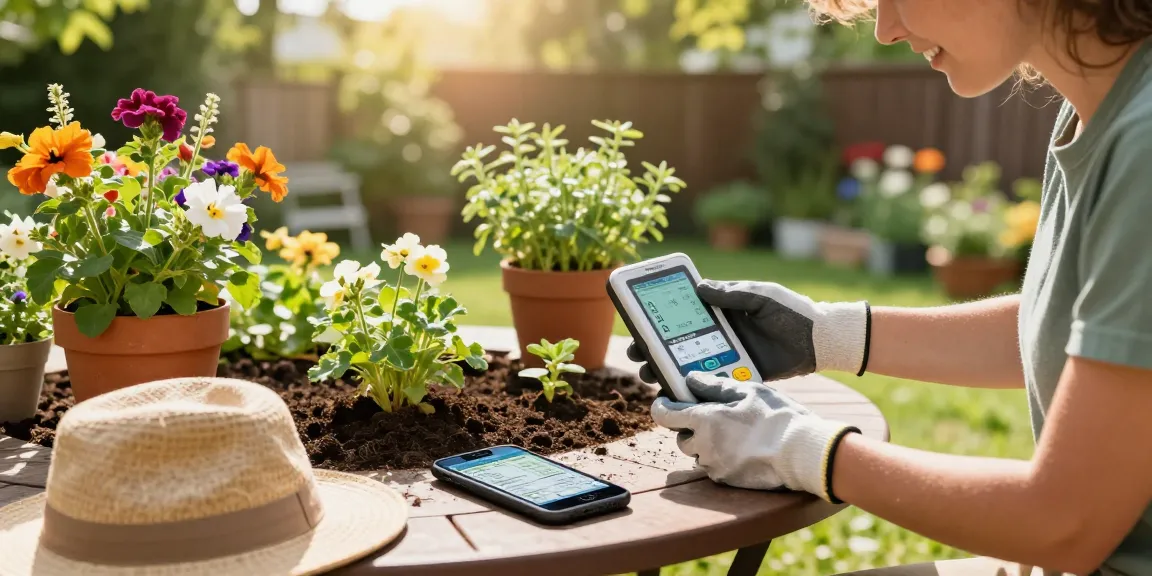
Understanding Rainpoint Irrigation Controllers
In an era where sustainable gardening practices are becoming increasingly vital, rainpoint Irrigation Controllers stand out as a brilliant solution for both novice and expert gardeners alike. These devices not only save water but also enhance the overall health and vitality of your plants. They simplify the irrigation process, making it easier than ever to ensure your garden thrives throughout every season. This article delves into what Rainpoint irrigation controllers are, their key features, and the myriad benefits they provide.
What are Rainpoint Irrigation Controllers?
Rainpoint irrigation controllers are smart devices designed to manage and automate the watering of your garden, yard, or indoor plants. These controllers integrate advanced technology, including wireless connectivity, soil moisture sensors, and user-friendly mobile applications. The devices help optimize water usage by ensuring precise irrigation tailored to the specific needs of your plants. Whether you’re tending to a sprawling garden or a small collection of houseplants, these controllers are engineered to take the guesswork out of watering.
Key Features and Technology Explained
Rainpoint controllers leverage cutting-edge technology to enhance your gardening experience. Here are some key features to consider:
- WiFi Connectivity: Many models allow for remote control and monitoring via a mobile app, making it easy to adjust settings and schedules no matter where you are.
- Soil Moisture Sensors: These sensors provide real-time data on the moisture levels of your soil, ensuring that your plants receive water only when needed.
- Custom Watering Schedules: Users can create tailored watering schedules based on the needs of different plant types, optimizing water usage.
- Weather Integration: Advanced models can access local weather data to adjust the watering schedule automatically, preventing over-watering during rainy days.
Benefits of Using Rainpoint Irrigation Controllers
The advantages of utilizing Rainpoint irrigation controllers extend beyond mere convenience. Here are several compelling reasons to incorporate them into your gardening efforts:
- Water Efficiency: By accurately measuring soil moisture and integrating weather data, these controllers significantly reduce water waste, leading to lower utility bills.
- Healthier Plants: Properly scheduled watering contributes to healthier root systems and overall plant resilience.
- Time-Saving: With automated watering, gardeners can save hours that would otherwise be spent manually watering plants.
- Ease of Use: The simple setup and configuration processes make Rainpoint systems accessible to anyone, regardless of gardening experience.
Setting Up Your Rainpoint Irrigation Controller
Setting up your Rainpoint irrigation controller is straightforward. Below, we’ll guide you through the installation process, including connecting to WiFi and configuring your watering schedules effectively.
Installation Guide: From Unboxing to Setup
Once you receive your Rainpoint controller, unbox it and confirm that all components are included. The installation process involves:
- Mounting the Controller: Choose a location that is convenient for accessing the water source and connecting to your WiFi network.
- Connecting Hoses: Attach the appropriate hoses or drip lines to the controller’s output ports. Ensure a secure connection to prevent leaks.
- Powering the Unit: If your model requires batteries or a power source, install it according to the manufacturer’s instructions.
Connecting to WiFi and Mobile Apps
To take full advantage of your Rainpoint controller, connecting to WiFi is essential:
- Download the App: Install the Rainpoint Smart app from your device’s app store.
- Create an Account: Register or log in to your account within the app.
- Connect to WiFi: Follow the app’s instructions to connect your controller to your home WiFi network.
Configuring Effective Watering Schedules
After successfully setting up the device, the next step is configuring your watering schedule. The Rainpoint app allows you to:
- Create Custom Schedules: Set the days and times for your irrigation to begin, accommodating both indoor and outdoor plants.
- Monitor Soil Conditions: Use the moisture sensor data to adjust watering frequencies based on the current needs of your plants.
- Review Water Usage: Track how much water is being used over time, enabling you to make informed decisions about your gardening practices.
Maximizing Water Efficiency with Rainpoint
One of the standout benefits of Rainpoint irrigation controllers is their ability to maximize water efficiency. Here are some strategies to ensure you get the most out of your system.
Understanding Soil Moisture Levels and Plant Needs
Every plant has specific moisture requirements. Understanding these needs is key to optimizing your irrigation:
- Regular Monitoring: Use the soil moisture sensors to identify when plants are in need of water and adjust schedules accordingly.
- Adaptive Watering: Some plants, like succulents, require less frequent watering than others; adjust your schedules based on these needs.
Utilizing Weather Data for Smart Watering
Integration with weather data is a game-changer for effective irrigation. By leveraging local forecasts:
- Auto-Adjustments: The system can delay watering when rain is imminent or skip cycles if a sudden downpour occurs.
- Seasonal Adjustments: As the seasons change, so too should your watering schedules. The Rainpoint system can help automate these adjustments based on seasonal weather patterns.
Comparative Analysis: Rainpoint vs. Traditional Methods
When comparing Rainpoint irrigation controllers with traditional watering methods, several advantages stand out:
- Precision vs. Guesswork: Traditional methods often rely on guesswork regarding when and how much to water. Rainpoint devices take the guesswork out with precise data.
- Resource Management: Automated systems drastically reduce water usage compared to manual watering, which often leads to over-watering.
Common Challenges and Solutions
Although Rainpoint irrigation controllers are designed to simplify gardening, challenges can arise. Here are common issues and their solutions.
Troubleshooting WiFi Connectivity Issues
Many users experience initial WiFi connectivity difficulties. If you encounter this:
- Check Your Router: Ensure that your internet connection is stable and that your router is functioning correctly.
- Reset the Controller: If connectivity issues persist, try resetting the controller and reconfiguring it within the app.
Common Misconceptions About Automated Watering
Some gardeners may doubt the effectiveness of automated watering systems. Addressing these misconceptions is vital:
- Over-Watering: Many believe that automated systems will lead to over-watering. However, with accurate data, Rainpoint controllers can prevent this.
- Cost Concerns: While there may be an upfront cost, the long-term savings on water bills and plant health outweigh the investment.
Expert Tips for Maintaining Your Irrigation System
To keep your Rainpoint system operating smoothly:
- Regularly Check the Sensors: Ensure that soil moisture sensors are clean and functioning properly.
- Update Software: Keep your Rainpoint app updated to benefit from the latest features and improvements.
The Future of Gardening with Rainpoint Technology
As we look toward 2026 and beyond, the future of gardening will undoubtedly be shaped by advancements in technology. Rainpoint is at the forefront of this evolution.
Emerging Trends in Smart Gardening for 2026
The rise of smart gardening technologies will likely include:
- AI Integration: Artificial intelligence will help create even more intuitive watering schedules based on plant growth and environmental conditions.
- Remote Diagnostics: Future systems may offer diagnostics to preemptively identify issues before they become major problems.
Integration with IoT Devices and Smart Home Systems
As smart home technology advances, integration with other devices will become essential:
- Unified Control Systems: Users may control their entire home ecosystem, including irrigation, through a single interface.
- Enhanced Automation: Additional sensors and data sources could enhance the efficiency of watering while safeguarding against issues like over-watering.
Case Studies: Success Stories in Sustainable Gardening
Numerous users have reported transformative results using Rainpoint systems, such as:
- Increased Plant Health: Growers have noticed significant improvements in the vitality of their plants, particularly in drought-prone regions.
- Water Savings: Many have documented decreases in water usage, showcasing the effectiveness of Rainpoint systems in promoting sustainable gardening practices.
How do Rainpoint Irrigation Controllers work?
Rainpoint irrigation controllers use soil moisture sensors and weather data to automate watering schedules, ensuring plants receive the right amount of water at the right times.
What plants benefit most from using Rainpoint Controllers?
Almost any type of plant can benefit, but those requiring consistent moisture levels, such as vegetables, flowers, and young trees, see the most significant advantages.
Are Rainpoint Controllers worth the investment?
Yes, the long-term savings on water bills and the enhanced health of your plants often justify the initial investment in a Rainpoint irrigation controller.
How can I optimize my setup for indoor plants?
For indoor plants, ensure that you tailor the moisture levels specific to each plant type and adjust watering schedules to account for varying light and humidity conditions.
What future advancements can we expect from Rainpoint?
Future advancements may include more robust AI technologies for smarter scheduling, enhanced sensor capabilities, and improved user interfaces for better accessibility and control.


