Understanding the Rainpoint Automatic Watering System
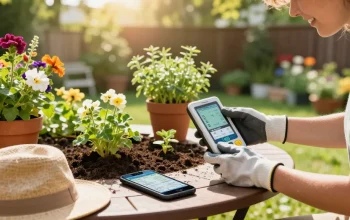
The rainpoint automatic watering system is revolutionizing how homeowners approach gardening and landscape maintenance. In an era where sustainability and efficiency are paramount, this system offers a cutting-edge solution to one of the most labor-intensive aspects of gardening: watering. By understanding its features, benefits, and operational principles, you can make the most out of your gardening experience.
What is the Rainpoint Automatic Watering System?
The Rainpoint Automatic Watering System is an innovative irrigation technology designed to automate the watering process for gardens, lawns, and potted plants. This robust system integrates smart technology, allowing users to monitor and control water distribution efficiently through WiFi connectivity and a user-friendly mobile application. By utilizing sensors that gauge soil moisture levels, the system ensures that plants receive the right amount of water at the appropriate times, significantly reducing the risk of overwatering or underwatering.
Key Features and Benefits
- Automated Scheduling: The system allows users to set specific watering schedules that align with the needs of different plants.
- Soil Moisture Sensors: These sensors provide real-time data on soil moisture levels, ensuring optimal watering practices.
- WiFi Connectivity: Users can connect the system to their home WiFi for remote access via a smartphone app.
- Data Tracking: Monitor water usage and plant health with comprehensive data tracking features.
- Environmental Adaptability: The system adjusts its watering schedule based on local weather data, conserving water during rainy conditions.
How It Works: A Quick Overview
The Rainpoint system operates through a combination of timers, sensors, and mobile connectivity. Users begin by selecting their preferred model based on their specific watering needs, which can range from indoor plants to expansive garden landscapes. Once installed, the system utilizes moisture sensors placed in the soil to detect when plants require water. If soil moisture falls below a predetermined threshold, the timer activates the irrigation, delivering water directly to the plants. This not only saves time but also promotes healthy plant growth by ensuring consistent moisture levels.
Setting Up the Rainpoint System
Getting started with the Rainpoint Automatic Watering System is straightforward. The first step involves assessing your gardening or landscaping needs to choose the right model. With various options available, it’s essential to consider factors such as garden size, the types of plants, and specific watering requirements.
Choosing the Right Model for Your Garden
Rainpoint offers a range of models tailored to different gardening needs. For example, the Rainpoint 2 Zone WiFi Water Timer is perfect for larger gardens with distinct watering zones, while compact models are ideal for indoor potted plants. Assessing your garden size and types of plants will help in selecting the most efficient system to cater to your specific watering needs.
Installation Steps for Optimal Performance
Installation of the Rainpoint system generally follows a few simple steps:
- Positioning: Place the watering system in a location that allows for optimal water distribution throughout your garden.
- Connecting Sensors: Insert the soil moisture sensors in various locations to get an accurate reading of your garden’s moisture levels.
- Setting Up Timers: Configure the timers according to your preferred watering schedule.
- Testing: Run a test irrigation cycle to ensure that the system is functioning properly and making adjustments as needed.
Connecting to Your WiFi and Mobile App
Connecting the Rainpoint system to your WiFi network is an essential step for unlocking the full potential of the technology. By downloading the Rainpoint app, users can manage their irrigation schedules, monitor moisture levels, and receive updates on system performance directly from their smartphones. The setup process typically involves scanning a QR code or entering your WiFi details in the app, followed by syncing the watering system for real-time control.
Watering Strategies and Best Practices
Adopting effective watering strategies is crucial for achieving the best results in gardening. A well-planned irrigation strategy not only conserves water but also ensures that your plants thrive. Here are some best practices when utilizing the Rainpoint Automatic Watering System.
How to Schedule Watering Based on Plant Needs
Understanding the specific needs of your plants is key to developing an effective watering schedule. Different plants require varying amounts of water based on their species, growth stage, and environmental conditions. With the Rainpoint system, you can program multiple watering schedules to accommodate different plant requirements within the same garden. For instance, succulent plants may need watering less frequently compared to tropical plants that thrive in moist environments.
Utilizing Soil Moisture Sensors Effectively
Soil moisture sensors are among the most valuable features of the Rainpoint system. They help prevent overwatering by accurately measuring the soil’s moisture content. When setting up the sensors, place them at different depths in the soil to gauge moisture levels more accurately. Regularly check the data provided by these sensors to adjust your watering schedule as environmental conditions change.
Avoiding Common Watering Mistakes
Even with technological assistance, some common watering mistakes can still occur. Here are tips to avoid them:
- Do not set the same watering schedule for all plants; understand and cater to individual plant needs.
- Ensure that sensors are functioning correctly and that their placement allows for accurate readings.
- Adjust schedules based on seasonal changes; plants may require more water during the summer months and less during winter.
Real-Life Success Stories
To illustrate the effectiveness of the Rainpoint irrigation system, let’s look at some real-life success stories from homeowners who have integrated this technology into their gardening routines.
Case Studies: Homeowners’ Experiences
Many homeowners have reported significant improvements after adopting the Rainpoint Automatic Watering System. For example, one user mentioned that their garden, which spans over 23,000 square feet and includes 27 trees, has flourished since implementing the system. The precise water consumption data provided by the system allowed them to make informed decisions about their watering practices and ultimately led to healthier plants and reduced water waste.
How the Rainpoint System Transformed Gardens
Another homeowner highlighted how the Rainpoint system helped transform a previously neglected garden into a thriving sanctuary. With easily programmable settings, they could set a watering schedule based on the needs of different plant types, which significantly improved plant growth and health. The convenience of setting it up and monitoring it via the app allowed them to enjoy their garden without the hassle of daily maintenance.
Community Feedback and Testimonials
Feedback from the Rainpoint community has been overwhelmingly positive. Many users express appreciation for the ease of use, saying that it saves them valuable time while ensuring that their plants receive the right amount of water consistently. The support from the Rainpoint Facebook group fosters a sense of community where users can share tips, ask questions, and celebrate their gardening successes.
Future Trends in Smart Gardening
As technology continues to evolve, the gardening industry is witnessing exciting innovations that promise to enhance the gardening experience further. The future of smart gardening holds numerous possibilities for increasing efficiency and sustainability.
The Evolution of Smart Irrigation Systems
Smart irrigation systems, like the Rainpoint, are becoming more sophisticated with advancements in technology. Future iterations may include improved sensors, machine learning algorithms for predictive watering needs, and compatibility with other smart home devices. These advancements will help provide even more tailored watering solutions, reducing water usage while promoting optimal plant health.
Predictions for Gardening Technology in 2026
Looking ahead to 2026, we can anticipate an increase in automated gardening solutions. From drone-assisted planting to AI-driven analytics for plant health, technology will continue to bridge the gap between nature and innovation. Homeowners will increasingly rely on these tools for both decorative and functional gardening.
How to Stay Ahead in Smart Gardening Practices
To keep up with trends in smart gardening, it is essential to stay informed about technological advancements and best practices. This includes participating in community forums, subscribing to newsletters, and attending workshops or webinars on gardening and technology. By continually educating yourself, you can adopt innovative practices that will not only enhance the beauty of your garden but also promote efficient and sustainable gardening.